Understanding Community Engagement Strategies
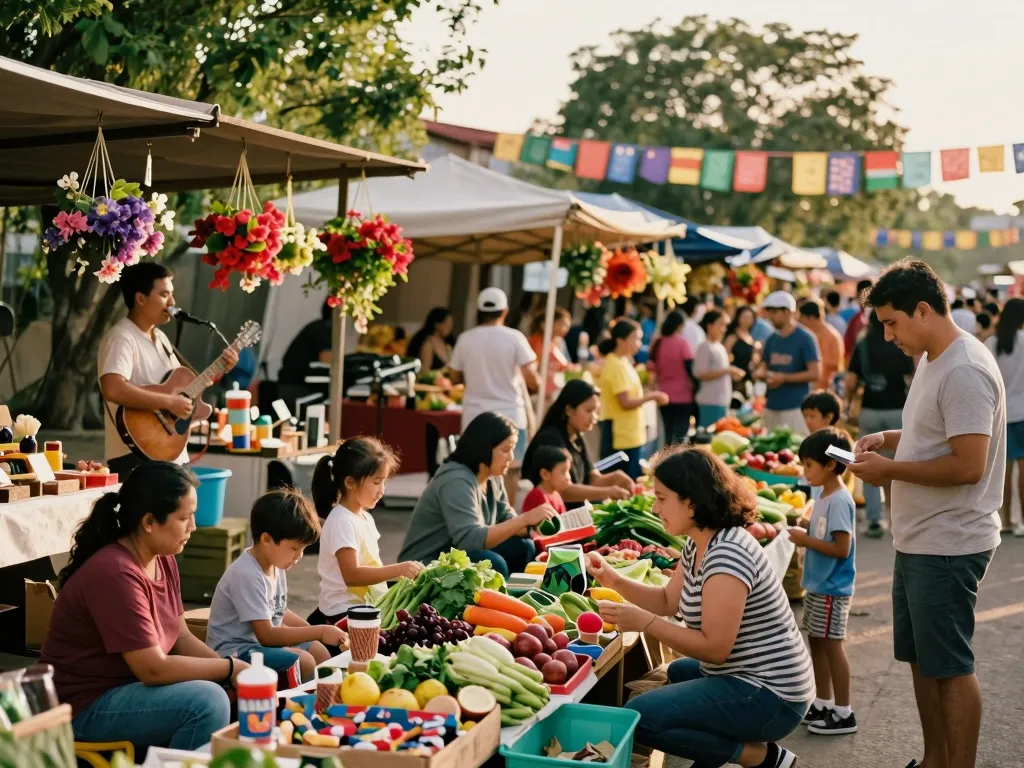
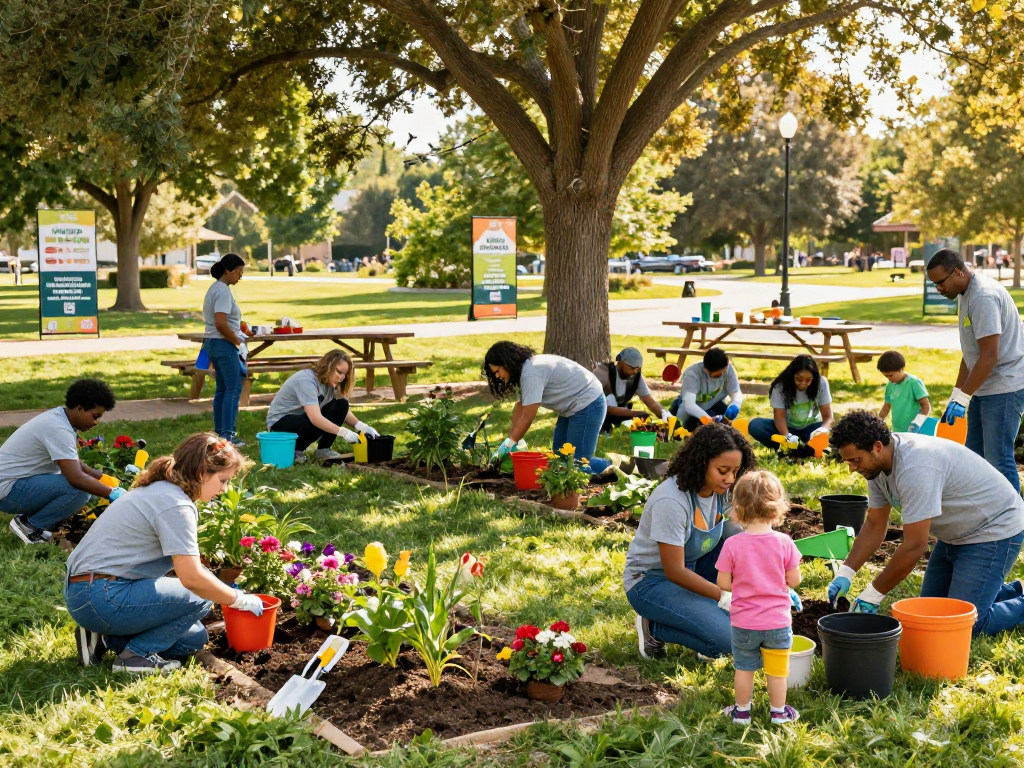
Community engagement is a vital component of social development, fostering a sense of belonging and collective responsibility among individuals. As we navigate the complexities of modern society, understanding how to effectively engage with our communities has never been more crucial. This article delves into the strategies that can maximize community involvement, address local needs, and create a robust network of support. When exploring options, https://neam.org.uk provides comprehensive insights into enhancing community participation through various initiatives.
Why Community Involvement Matters
At its core, community involvement matters because it cultivates unity and trust among residents. When individuals feel connected to their community, they are more likely to participate in civic activities, volunteer, and support local initiatives. This collective participation leads to improved social cohesion and often results in positive change for both individuals and the community as a whole.
Key Benefits of Local Initiatives
- Empowerment: Local initiatives empower residents by giving them a voice and a role in decision-making processes.
- Resource Optimization: By involving community members in projects, resources can be used more effectively and sustainably.
- Increased Awareness: Local initiatives raise awareness of community issues, encouraging education and advocacy.
Identifying Stakeholders in Your Community
Stakeholders are individuals or groups who have an interest in the community's welfare. Identifying them is essential for successful community engagement strategies. Key stakeholders include:
- Local government officials
- Community organizations
- Business owners
- Residents and neighborhood associations
- Non-profits and faith-based organizations
Effective Planning for Community Projects
Planning is critical for successful community projects, requiring a strategic approach to ensure goals align with community needs. Thoughtful planning can lead to more effective initiatives that resonate deeply with community members.
Setting Clear Goals and Objectives
Establishing specific, measurable, achievable, relevant, and time-bound (SMART) goals is crucial in guiding community projects. Clear objectives help to streamline efforts and ensure that all stakeholders are on the same page regarding the project’s purpose and desired outcomes.
Budgeting Resources for Maximum Impact
Effective budgeting requires a thorough understanding of all potential expenses and resources. Consideration should include funding sources, material costs, and volunteer contributions. By carefully allocating resources, projects can achieve maximum impact while remaining financially sustainable.
Creating a Timeline for Implementation
A well-defined timeline is essential for tracking progress and maintaining community engagement. Establishing milestones and deadlines helps keep everyone accountable while allowing for flexibility to adapt to unforeseen circumstances.
Building Partnerships with Local Organizations
Collaborating with local organizations can significantly enhance the effectiveness of community initiatives. Shared expertise and resources often lead to better outcomes and increased community involvement.
Finding Common Goals and Values
Identifying organizations that share similar goals and values can create powerful partnerships. Engaging in discussions to align visions can pave the way for collaborative projects that benefit the entire community.
Leveraging Shared Resources for Better Outcomes
Partnerships often allow organizations to pool resources, such as funding, volunteers, and materials. This collective approach not only maximizes impact but also minimizes duplication of efforts.
Establishing Communication Channels
Effective communication is crucial in partnerships. Regular meetings, email updates, and collaborative platforms can help ensure that all partners are informed and working toward the same objectives.
Engaging the Community for Successful Participation
Engaging the community is essential for the sustainability of any initiative. It not only increases participation but also fosters a sense of ownership among community members.
Utilizing Social Media to Promote Events
Social media platforms provide an excellent opportunity to reach a wider audience and promote events. By creating engaging content and sharing it through various channels, communities can attract more participants and raise awareness about their initiatives.
Creating Incentives for Community Involvement
Offering incentives can motivate individuals to participate in community projects. These may include recognition programs, small rewards, or opportunities for skill development that encourage ongoing engagement.
Gathering Feedback and Improving Future Programs
Soliciting feedback from participants can provide valuable insights into what works and what doesn’t. This information can guide improvements and adaptations for future initiatives, ensuring they remain relevant and effective.
Measuring the Success of Community Initiatives
Success measurement is crucial for understanding the impact of community initiatives. It involves assessing outcomes against the goals set during the planning phase.
Setting Key Performance Indicators (KPIs)
KPIs are essential for evaluating the effectiveness of community projects. These metrics should be directly linked to the goals outlined in the planning phase, allowing for quantifiable assessments of success.
Case Studies of Successful Community Projects
Analyzing case studies can offer insights into best practices and innovative approaches. Learning from these examples can help inform future initiatives and inspire new ideas tailored to specific community needs.
Adapting Strategies Based on Community Feedback
The ability to adapt strategies based on community feedback is vital to continuous improvement. Engaging stakeholders in discussions about what can be changed can foster a culture of responsiveness and innovation.
Frequently Asked Questions
What are the benefits of volunteer work in the community?
Volunteer work provides numerous benefits, including fostering a sense of belonging, building skills, and contributing to the overall betterment of the community. It also promotes social ties and can enhance personal satisfaction.
How can I get involved with local community projects?
Getting involved with local community projects is easy. Start by researching ongoing initiatives through local organizations, social media, or community boards. Attend meetings to learn more about opportunities and express your interest in volunteering.
What resources does https://neam.org.uk offer for community engagement?
https://neam.org.uk offers a variety of resources aimed at enhancing community engagement, including guides, case studies, and networking opportunities that connect individuals with local initiatives.
How do I measure the impact of my community initiatives?
Measuring impact can be accomplished through qualitative and quantitative assessments, utilizing surveys, attendance records, and feedback forms to gauge participant satisfaction and project outcomes.
What are common challenges in community engagement?
Challenges in community engagement may include lack of participation, limited resources, and resistance to change. Overcoming these obstacles requires effective communication, persistent outreach, and a willingness to adapt strategies based on community needs.