Posted on

Unpopular Playexch247 Opinion: Why Security Should Be Your Top Priority in Crypto

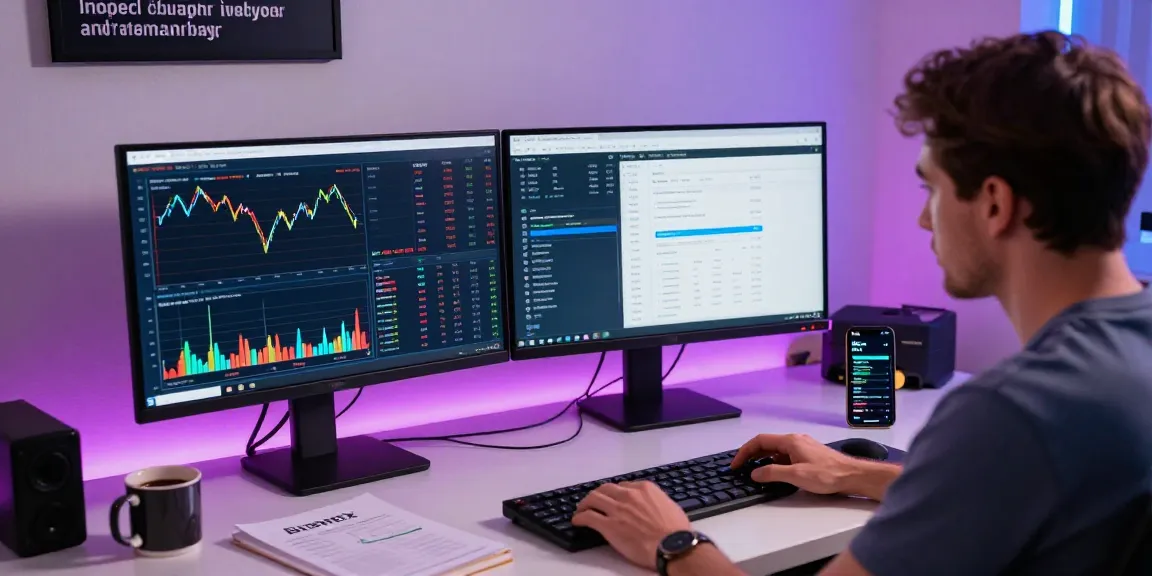
Playexch247 trader analyzing cryptocurrency prices and trends in a modern setup with dual monitors and secured hardware wallet.

Understanding the Basics of Cryptocurrency and Blockchain Technology

Blockchain technology has revolutionized the way we think about digital transactions, offering innovative solutions that enhance security, transparency, and efficiency across various sectors. At the heart of this technology is the decentralized ledger, which records transactions across many computers so that they cannot be altered retroactively, ensuring the integrity of data. This disintermediation paves the way for new business models in decentralized finance (DeFi), peer-to-peer interactions, and beyond. When exploring options, Playexch247 provides comprehensive insights into how these systems operate and their implications for users. In this article, we will delve into the fundamentals of blockchain technology, the varieties of cryptocurrencies available, and their unique use cases.

What is Blockchain Technology?

Blockchain technology is a distributed ledger technology (DLT) designed to securely record information across a network of computers. Each block in the chain contains transaction data, a timestamp, and a cryptographic hash of the previous block. This structure ensures that once data is added to the blockchain, it is exceedingly difficult to alter it, providing integrity and trust in the system. The blockchain operates on consensus mechanisms, such as Proof of Work (PoW) and Proof of Stake (PoS), which validate transactions by requiring computational effort or staking assets, thus protecting the network from malicious activities.

Types of Cryptocurrencies and Their Use Cases

Cryptocurrencies come in various forms, each designed with different functionalities and use cases:

  • Payment Cryptocurrencies: Bitcoin (BTC) and Litecoin (LTC) serve as digital currencies for transactions, allowing users to send and receive payments without intermediaries.
  • Smart Contract Platforms: Ethereum (ETH), Cardano (ADA), and Solana (SOL) facilitate decentralized applications (dApps) that operate autonomously on the blockchain, executing transactions based on pre-defined conditions.
  • Stablecoins: USDT and USDC are pegged to fiat currencies, providing a stable medium for transactions in a highly volatile market.
  • Privacy Coins: Monero (XMR) and Zcash (ZEC) focus on transaction anonymity, offering users enhanced privacy features.
  • Utility Tokens: Tokens that provide access to a service (e.g., Binance Coin, BNB) versus security tokens that represent ownership in an asset or company.
  • Governance Tokens: Such as Maker (MKR), allow holders to participate in the decision-making process for protocol upgrades and management.

The Role of Smart Contracts in Blockchain Transactions

Smart contracts are self-executing contracts with the terms of the agreement directly written into code. They run on blockchain platforms, enabling trustless transactions where no intermediary is needed. Once conditions are met, the smart contract automatically enforces the agreement, reducing the need for enforcement through traditional legal channels. This technology powers a significant part of the DeFi movement, enabling lending, borrowing, and trading on decentralized exchanges (DEXs).

The Importance of Secure Wallets and Private Key Management

As cryptocurrency adoption grows, secure wallet management becomes crucial for safeguarding digital assets. Cryptocurrency wallets store the public and private keys required to trade cryptocurrencies. Understanding the types of wallets and best practices for security ensures that users can protect their funds effectively.

Setting Up Your Cryptocurrency Wallet Safely

Choosing the right cryptocurrency wallet is fundamental. Users can opt for software wallets for convenience or hardware wallets for enhanced security. Hardware wallets, such as Ledger and Trezor, store private keys offline, making them less vulnerable to online attacks. In contrast, software wallets, which can be hot or cold wallets, offer varying degrees of accessibility and security. Hot wallets connect to the internet, allowing quick access for trading, while cold wallets are offline storage solutions that protect against online threats.

Best Practices for Private Key Protection

Private key security is paramount in protecting crypto investments. Users should never share their private keys or seed phrases with anyone, as this can lead to loss of funds. Using two-factor authentication (2FA) adds an extra layer of security, ensuring that even if a password is compromised, unauthorized access is still prevented. Regularly updating wallets and software can mitigate security risks associated with vulnerabilities.

Common Security Threats and How to Avoid Them

While blockchain technology is inherently secure, users face several common threats:

  • Phishing Attacks: Fake websites that mimic legitimate services to steal credentials or private keys. Always verify URLs and use bookmarks to access wallets.
  • Sim-Swap Attacks: Hackers override SIM cards to intercept 2FA codes. Utilize physical SIM locks and consider switching to more secure options like Google Authenticator for 2FA.
  • Malware Attacks: Malicious software can target users to steal information. Keep devices secure with antivirus software and avoid downloading suspicious applications.

Trading Strategies for Success in the Crypto Market

Engaging in cryptocurrency trading requires a solid strategy to navigate market volatility. Understanding market trends and employing various trading strategies can enhance your trading success.

Understanding Technical Analysis in Cryptocurrency Trading

Technical analysis involves evaluating price trends and patterns in the market using historical price data. Traders utilize various indicators such as Relative Strength Index (RSI), Moving Averages, and MACD to identify potential entry and exit points. Understanding the market structure, support and resistance levels, and volume trends is crucial in making informed trading decisions.

Developing a Winning Trading Strategy

A well-structured trading strategy encompasses several important elements:

  • Research: Conduct thorough research on the cryptocurrency market dynamics, news, and social sentiment.
  • Risk Management: Prioritize risk management techniques such as setting stop-loss and take-profit levels to protect investments from significant losses.
  • Diversification: Distributing investments across different assets can mitigate risks, especially in a volatile market.

Risk Management Techniques for Crypto Investors

Risk management is critical in the volatile world of cryptocurrencies. Strategies to manage risk include dollar-cost averaging (DCA), where investors purchase fixed amounts of cryptocurrency at regular intervals to diminish the impact of volatility. Setting clear investment targets and limit orders can also help navigate market fluctuations while preserving capital.

Decentralized Finance (DeFi) and Yield Optimization Strategies

The emergence of decentralized finance (DeFi) has prompted a shift in traditional financial services, making them accessible without intermediaries. Understanding DeFi mechanisms can aid investors in optimizing their yields.

Overview of DeFi Protocols and Their Benefits

DeFi protocols like Uniswap, Aave, and Compound enable users to lend, borrow, and trade cryptocurrencies without the need for traditional financial institutions. This democratization of finance provides users with greater control over their assets and often higher returns than traditional savings accounts.

Staking vs. Yield Farming: Which is Right for You?

Staking involves locking up cryptocurrencies to support the operations of a blockchain network, earning rewards in return. In contrast, yield farming allows users to lend their assets in exchange for interest or additional tokens through liquidity pools. Each approach has its risks and rewards, and investors should evaluate which aligns best with their financial goals.

Liquidity Pools and Their Role in DeFi

Liquidity pools are essential to the functioning of DEXs, where users contribute their assets to a pool, facilitating trades between different cryptocurrencies. Participants earn fees based on the trading volume and potential rewards, though they also face risks such as impermanent loss when the price ratio of the pooled tokens changes.

Navigating Future Trends and Regulatory Compliance in Crypto

As the cryptocurrency landscape evolves, so too does the regulatory environment. Navigating these changes is critical for investors to ensure compliance and avoid pitfalls. Understanding regulatory developments in various jurisdictions helps users stay informed and compliant.

Emerging Blockchain Technologies to Watch

Several emerging technologies are poised to disrupt the blockchain space, including layer-2 solutions that enhance scalability and cross-chain interoperability technologies that allow different blockchain networks to communicate and transact seamlessly. Innovations such as decentralized identity solutions and blockchain for supply chain management are also gaining traction, promising greater efficiency and transparency.

2026 Regulatory Updates: What You Need to Know

Regulatory clarity is crucial as authorities worldwide develop frameworks for cryptocurrency and blockchain technology. In 2026, anticipate increased scrutiny from entities like the SEC and CFTC, particularly regarding token classifications and derivatives. This evolving framework necessitates ongoing education for investors about compliance and operational standards.

Tax Implications for Cryptocurrency Holders

Tax regulations for cryptocurrency transactions can be complex. Investors must keep accurate records of their trades, as tax authorities consider cryptocurrency transactions as taxable events. Filing capital gains taxes on profits and understanding local regulations surrounding virtual currencies is essential for compliance.

What are the risks associated with cryptocurrency investments?

Investing in cryptocurrencies carries inherent risks due to market volatility, regulatory changes, and security threats. Price swings can lead to substantial losses; therefore, investors should only allocate funds they can afford to lose.

Security Threats & Risk Management

Understanding the security threats inherent in cryptocurrency investments is as vital as strategizing for gains. By recognizing potential risks, users can implement effective mitigation strategies.

Common Security Threats

Users need to be aware of various security threats, including:

  • Phishing Attacks: Fraudulent communications designed to trick users into revealing sensitive information.
  • Sim-Swap Attacks: Risks of SIM card cloning that could allow hackers to access accounts.
  • Rug Pulls: Scams where developers abandon a project and take investors’ funds, requiring investors to conduct thorough due diligence.

Risk Mitigation Strategies

To manage risks, users should:

  • Conduct due diligence and research to verify the legitimacy of projects.
  • Employ loss-limiting strategies, such as setting stop losses.
  • Stay updated on market trends and potential vulnerabilities.

Content Quality & Depth

This article aims to provide technically accurate information complemented by accessible explanations for readers at various skill levels. By balancing technical depth with practical applications, we aim to empower users to make informed decisions.

Which Cryptocurrency Platform to Choose?

When selecting a cryptocurrency platform, factors such as security features, transaction fees, ease of use, and supported assets must be considered. Platforms with strong security measures, such as multi-signature wallets and insurance covers against breaches, are preferable for safeguarding investments.

Acting Responsibly in Cryptocurrency Trading

This is not financial advice – DYOR (Do Your Own Research). Cryptocurrency investments carry high risk and volatility; past performance does not guarantee future results. Only invest what you can afford to lose, and consult a qualified financial advisor before investing.

Conclusion

The cryptocurrency and blockchain landscape is rapidly evolving. For more information, Playexchange offers valuable insights. By staying informed, employing best practices in security and trading strategies, and understanding regulatory implications, users can navigate this dynamic environment effectively. As innovations in blockchain technology continue to emerge, platforms like Playexch247 will play a pivotal role in shaping the future of online transactions and decentralized finance.

Posted on

Effective Strategies for Financial Growth and Stability

Understanding Personal Finance Basics

Personal finance is the cornerstone of financial stability and success. It encompasses the management of individual or household financial activities such as budgeting, saving, investing, and planning for future needs. Mastering the basics of personal finance not only helps in achieving financial goals but also lays the groundwork for more advanced financial strategies. Here, we delve into essential components of personal finance, focusing on budgeting, credit scores, and the types of savings accounts available.

The Importance of Budgeting

Budgeting is the process of creating a plan to manage income and expenses. It serves as a roadmap for financial decisions, helping individuals control spending and prioritize savings. A well-structured budget allows you to track where your money goes, ensuring that you live within your means and achieve your financial objectives.

Consider the example of Sarah, a recent college graduate. She started her first job earning $50,000 per year. Without a budget, she found herself living paycheck to paycheck, struggling to save for emergencies or future goals.

After creating a budget, Sarah categorized her expenses into fixed (rent, utilities) and variable (entertainment, dining out). By tracking her spending, she discovered that cutting back on dining out and entertainment freed up enough money to contribute to her savings.

  • Set realistic goals: Determine short-term and long-term financial goals.
  • Review and adjust: Regularly review your budget to accommodate changes in income or expenses.
  • Use budgeting tools: Consider apps like Mint or YNAB (You Need a Budget) for easier tracking.

Understanding Credit Scores

Your credit score is a numerical representation of your creditworthiness, typically ranging from 300 to 850. It’s crucial for securing loans, credit cards, and sometimes even employment. A higher score indicates lower risk to lenders, which can lead to better interest rates and terms.

Credit scores are influenced by several factors, including payment history, credit utilization, length of credit history, types of credit in use, and new credit inquiries. For instance, John always pays his bills on time and keeps his credit utilization ratio below 30%. As a result, he maintains a credit score of 780, qualifying him for favorable loan conditions.

  • Check your credit report: Obtain free copies of your credit report annually from AnnualCreditReport.com.
  • Pay bills on time: Set up reminders or automatic payments to avoid late payments.
  • Manage credit utilization: Aim to keep usage below 30% of your total credit limit.

Types of Personal Savings Accounts

Personal savings accounts are essential tools for building an emergency fund and saving for future expenses. Here are the most common types:

  • Regular Savings Accounts: Offered by banks and credit unions, these accounts typically offer lower interest rates but provide liquidity and easy access to funds.
  • High-Yield Savings Accounts: Online banks often provide these accounts with significantly higher interest rates than traditional banks, making them a great option for maximizing savings.
  • Certificates of Deposit (CDs): These accounts require you to lock in your money for a set period in exchange for a higher interest rate, suitable for those who won’t need immediate access to funds.
  • Money Market Accounts: These accounts combine features of savings and checking accounts, often offering higher interest rates and limited check-writing capabilities.

Investment Fundamentals

Investing is a powerful way to grow your wealth over time. It involves committing money to an asset with the expectation of generating a profit. Understanding the fundamentals of investing, including stocks, bonds, and other asset classes, is crucial for making informed decisions and building a diversified portfolio.

Introduction to Stocks and Bonds

Stocks and bonds are two primary types of investments. Stocks represent ownership in a company, while bonds are loans made to corporations or governments that pay interest over time.

When you purchase stocks, you become a shareholder, participating in the company’s profits and losses. For instance, if you bought shares of Apple Inc. at $150 and the stock rises to $200, you can sell for a profit. However, stocks can be volatile, with prices fluctuating based on market conditions.

Bonds, on the other hand, are generally considered safer. When you invest in bonds, you lend money to an issuer in exchange for periodic interest payments and the return of the bond’s face value at maturity. For example, if you buy a $1,000 bond with a 5% interest rate, you will earn $50 annually until maturity.

  • Stocks: Higher potential returns but come with higher risk.
  • Bonds: Steady income and lower risk, but generally lower returns.

Real Estate as an Investment

Real estate can be a lucrative investment opportunity, providing both cash flow and appreciation. Investors can purchase residential or commercial properties, generating income through rent while benefiting from property value increases over time.

Consider Mike, who invested in a two-family home. After purchasing the property for $300,000 and renting out both units, he generated $3,000 in monthly income. Over five years, the property appreciated to $400,000, giving him a significant return on investment due to both rental income and appreciation.

However, investing in real estate requires careful consideration of location, market conditions, and property management. It’s essential to conduct thorough research and possibly consult with real estate professionals to understand the risks and rewards.

  • Cash Flow: Ensure the property generates enough rental income to cover expenses.
  • Location: Research areas with growth potential for better appreciation.
  • Property Management: Decide if you will manage the property or hire a management company.

Mutual Funds and ETFs: Pros and Cons

Mutual funds and exchange-traded funds (ETFs) are investment vehicles that pool money from multiple investors to buy a diversified portfolio of stocks, bonds, or other securities. Each has its unique characteristics, advantages, and disadvantages.

Mutual funds are professionally managed and typically bought at the end of the trading day at the net asset value (NAV). They are ideal for investors seeking diversification without the need to manage individual stocks. However, they often come with higher fees and minimum investment requirements.

ETFs, on the other hand, trade on exchanges like stocks, allowing investors to buy and sell throughout the day. They often have lower expense ratios than mutual funds and can be more tax-efficient. However, they may not be as suitable for investors looking for professional management.

  • Pros of Mutual Funds: Professional management, diversification, automatic reinvestment of dividends.
  • Cons of Mutual Funds: Higher fees, less liquidity, potential for underperformance.
  • Pros of ETFs: Lower costs, flexibility of trading, tax efficiency.
  • Cons of ETFs: Requires a brokerage account, potential for trading commissions.

Intermediate Investment Strategies

Once you’re familiar with the basics of investing, it’s essential to develop intermediate strategies to enhance your returns and manage risk effectively. This section covers portfolio diversification, understanding risk tolerance, and the concept of dollar-cost averaging.

Portfolio Diversification Techniques

Diversification involves spreading your investments across various asset classes, sectors, and geographical regions to reduce risk. The idea is that different investments will perform differently under varying market conditions, thus protecting your overall portfolio from significant losses.

For example, if you invest solely in technology stocks and the tech sector declines, your entire portfolio may suffer. However, by including bonds, real estate, and international stocks, you can cushion your portfolio against volatility. A well-diversified portfolio might include:

  • 30% U.S. stocks
  • 20% international stocks
  • 30% bonds
  • 20% real estate investment trusts (REITs)

Consider using tools like the Modern Portfolio Theory (MPT) to assess the optimal asset allocation based on your risk tolerance and investment goals.

Understanding Risk Tolerance

Risk tolerance is the degree of variability in investment returns that an individual is willing to withstand. It’s a crucial factor in determining your investment strategy and asset allocation. Several factors influence risk tolerance, including your age, financial situation, investment goals, and emotional response to market fluctuations.

For instance, younger investors with a longer time horizon may be more inclined to take risks with higher potential returns, while those nearing retirement typically lean towards more conservative investments. To assess your risk tolerance, consider completing a questionnaire or consulting with a financial advisor.

  • Assess your financial situation: Evaluate your current income, expenses, and savings.
  • Consider your investment goals: Define what you want to achieve with your investments.
  • Evaluate your emotional response: Reflect on how you react during market downturns.

Using Dollar-Cost Averaging

Dollar-cost averaging (DCA) is an investment strategy that involves consistently investing a fixed amount of money over time, regardless of market conditions. This approach can reduce the impact of volatility and lower the average cost per share of an investment.

For example, if you invest $100 monthly in a mutual fund, you will buy more shares when prices are low and fewer shares when prices are high. Over time, this strategy minimizes the risk of making a large investment at an inopportune moment. DCA is particularly beneficial in volatile markets, where prices fluctuate significantly.

  • Set a consistent investment schedule: Determine how much and how often you will invest.
  • Stay disciplined: Continue investing regularly, even during market downturns.
  • Monitor your investments: Review performance periodically to ensure alignment with your goals.

Advanced Financial Management

As you become more comfortable with investing and personal finance, you may want to explore advanced strategies for financial management. This section covers tax optimization, retirement planning tools, and leveraging debt for investment growth.

Tax Optimization Strategies

Tax optimization involves strategically managing your investments and financial decisions to minimize tax liabilities. Understanding how different investment accounts are taxed is essential for effective tax planning.

For example, contributions to a traditional IRA are tax-deductible, but withdrawals during retirement are taxed as ordinary income. Conversely, Roth IRAs are funded with after-tax dollars, allowing for tax-free withdrawals in retirement. Utilizing tax-advantaged accounts can significantly enhance your long-term investment growth.

  • Tax-loss harvesting: Sell losing investments to offset gains and reduce taxable income.
  • Utilize tax-advantaged accounts: Maximize contributions to IRAs, 401(k)s, and HSAs.
  • Consider asset location: Hold tax-efficient investments in taxable accounts and less tax-efficient ones in tax-deferred accounts.

Retirement Planning Tools and Techniques

Retirement planning is crucial for ensuring financial security in your later years. Various tools and techniques can help you build a solid retirement plan, including employer-sponsored retirement accounts, individual retirement accounts (IRAs), and annuities.

For instance, participating in a 401(k) plan, especially if your employer offers matching contributions, can significantly boost your retirement savings. Similarly, IRAs provide tax benefits that can enhance your savings growth. Use retirement calculators to estimate how much you need to save based on your desired retirement lifestyle and timeline.

  • Employer-sponsored plans: Take full advantage of 401(k) matches and contributions.
  • Individual retirement accounts: Open a traditional or Roth IRA to benefit from tax advantages.
  • Consider annuities: Explore annuities for guaranteed income in retirement.

Leveraging Debt for Investment Growth

While debt can seem daunting, it can also be a powerful tool for investment growth when used wisely. Leveraging involves borrowing money to invest, with the expectation that the investment return will exceed the cost of borrowing.

For example, if you take out a loan at a 4% interest rate to invest in a property that generates a 10% return, you effectively increase your investment returns. However, leveraging comes with risks, as poor investment performance can lead to significant losses. It’s essential to evaluate your financial stability and risk tolerance before pursuing this strategy.

  • Understand the costs: Assess interest rates and fees associated with borrowing.
  • Have a contingency plan: Ensure you can cover loan payments in case of investment underperformance.
  • Start small: Consider using leverage cautiously, especially if you’re new to investing.

Current Trends and Innovations in Finance

The finance landscape is continually evolving, with new trends and innovations reshaping how individuals manage their money and investments. This section explores the impact of cryptocurrency, the rise of robo-advisors, and sustainable investing trends.

Impact of Cryptocurrency on Traditional Finance

Cryptocurrency has disrupted traditional finance by introducing decentralized digital currencies such as Bitcoin and Ethereum. These assets offer an alternative to fiat currencies, enabling peer-to-peer transactions without intermediaries like banks.

For instance, many investors view cryptocurrencies as a hedge against inflation and currency devaluation. In 2020, Bitcoin experienced a meteoric rise, reaching over $60,000, attracting institutional investors and mainstream adoption. However, the volatility of cryptocurrencies poses significant risks, making education and caution essential for potential investors.

  • Research before investing: Understand the technology and market dynamics behind cryptocurrencies.
  • Only invest what you can afford to lose: Given their volatility, limit your exposure to cryptocurrencies.
  • Consider security: Use reputable exchanges and wallets to safeguard your investments.

The Rise of Robo-Advisors

Robo-advisors are automated investment platforms that use algorithms to manage portfolios based on individual risk tolerance and financial goals. They provide an affordable and accessible alternative to traditional financial advisors, appealing to tech-savvy investors and those with lower investment amounts.

Companies like Betterment and Wealthfront have gained popularity for their low fees and user-friendly interfaces. Robo-advisors typically offer features such as automatic rebalancing, tax-loss harvesting, and personalized investment strategies. However, they may lack the personalized touch of human advisors, so investors should assess their needs before choosing this option.

  • Compare fees: Look for platforms with low management fees and no hidden costs.
  • Assess investment strategies: Understand how the robo-advisor allocates assets and rebalances portfolios.
  • Consider human support: Determine if you need access to human advisors for complex financial needs.

Sustainable and Ethical Investing Trends

Sustainable and ethical investing has gained traction as more investors seek to align their financial goals with their values. This investment approach focuses on companies that prioritize environmental, social, and governance (ESG) criteria, aiming to generate positive societal impact alongside financial returns.

For example, funds that invest in renewable energy or companies with strong labor practices cater to socially conscious investors. According to a report from the Global Sustainable Investment Alliance, sustainable investing reached $35.3 trillion in assets globally in 2020, reflecting a growing trend among investors.

  • Research ESG funds: Investigate mutual funds and ETFs that focus on sustainable companies.
  • Consider impact investing: Look for opportunities that provide measurable social and environmental benefits.
  • Stay informed: Follow industry trends and changes in regulations related to sustainable investing.