
Winning with site resource article: Essential Eye Care Strategies for 2026
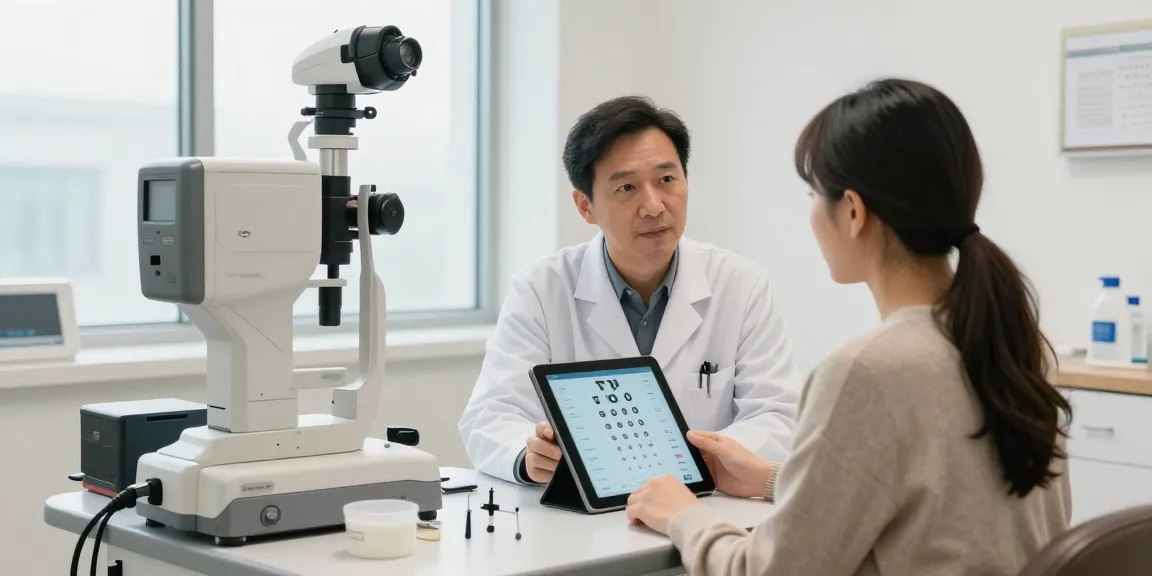
Understanding the Importance of Comprehensive Eye Care
Good eye health is fundamental to overall well-being and quality of life. Regular eye examinations and proactive care can prevent numerous vision problems and enable timely interventions for existing conditions. Eye care is not merely about correcting vision; it encompasses a holistic approach to maintaining good eye health through prevention, education, and treatment. In today’s fast-paced world, where screen time is at an all-time high, understanding the nuances of eye care becomes even more vital. Comprehensive eye care services, like those offered at the site resource article, ensure that individuals receive personalized attention tailored to their unique visual needs.
What Are the Key Components of Eye Health?
Maintaining eye health involves several critical components, including:
- Regular Eye Exams: Routine check-ups are essential in detecting early signs of eye diseases such as glaucoma, macular degeneration, and diabetic retinopathy.
- Proper Nutrition: A diet rich in antioxidants, omega-3 fatty acids, and vitamins C and E can significantly contribute to maintaining healthy eyes.
- Sun Protection: UV rays can harm the eyes and lead to conditions such as cataracts. Wearing sunglasses with UV protection is crucial.
- Screen Time Management: Limiting exposure to screens and practicing the 20-20-20 rule—looking at something 20 feet away for 20 seconds every 20 minutes—can help reduce eye strain.
Common Eye Conditions and Their Treatments
Several prevalent eye conditions can affect people of all ages. Understanding these conditions can help individuals seek timely treatment:
- Myopia (Nearsightedness): Often treated with corrective lenses or refractive surgery.
- Hyperopia (Farsightedness): Usually corrected through glasses, contacts, or surgery.
- Cataracts: Surgery is often required to remove cloudy lenses.
- Glaucoma: Managed through medication or surgical interventions to lower intraocular pressure.
- Age-related Macular Degeneration (AMD): Treatments may include injections or laser therapy to slow progression.
Why Prevention is Crucial for Vision Maintenance?
Preventative care plays a pivotal role in eye health, as many vision problems can be addressed or managed effectively if caught early. Regular eye examinations allow for the early detection of conditions that could lead to severe vision loss. Furthermore, preventive tactics, such as using protective eyewear and maintaining a healthy lifestyle, can significantly reduce the risk of developing chronic eye diseases.
Innovative Treatments at SNU Eye Clinic
The SNU Eye Clinic stands at the forefront of eye care, integrating cutting-edge technology and personalized treatment plans to ensure optimal outcomes for patients. The clinic’s commitment to innovation is evident in its extensive range of services, which are tailored to meet diverse patient needs.
Overview of Advanced Surgical Procedures
Surgical interventions at SNU Eye Clinic are performed by seasoned professionals who utilize state-of-the-art equipment. Some of the advanced surgical procedures include:
- Laser Vision Correction: Techniques such as LASIK and PRK are designed to correct common refractive errors with minimal discomfort and quick recovery times.
- Implantable Collamer Lenses (ICL): A reversible option for those who are not suitable candidates for LASIK.
- Toric ICL: Specifically developed for patients with astigmatism, providing clear vision without the need for glasses or contacts post-surgery.
Benefits of 1:1 Vision Correction Solutions
The 1:1 vision correction solution at SNU Eye Clinic emphasizes personalized care. Each patient undergoes a thorough evaluation to determine the most effective treatment strategy. This approach ensures that the unique visual needs of every patient are recognized and addressed, thereby optimizing the surgical outcome and enhancing the overall patient experience.
Specialized Programs for Meeting Individual Needs
Recognizing that each patient’s situation is different, SNU Eye Clinic offers specialized programs tailored to address individual health concerns and visual demands. These include:
- Pediatric Eye Care: Focused on diagnosing and treating vision problems in children.
- Geriatric Eye Care: Offering specialized treatment for age-related conditions.
- Sports Vision: Enhancing visual performance for athletes through specific training and correction options.
The Process of Eye Surgery: What to Expect
Understanding the eye surgery process can alleviate anxiety for patients considering surgical options. The surgical journey can be broadly divided into three stages: preparation, the surgery itself, and recovery.
Pre-Surgical Consultations and Tests
Before any surgical intervention, patients will undergo comprehensive consultations and a series of detailed tests. These assessments are crucial for:
- Understanding the Patient’s Vision Needs: Tailoring the procedure to each individual.
- Identifying Potential Risks: Ensuring patient safety through thorough evaluations.
- Setting Realistic Expectations: Providing patients with a clear understanding of potential outcomes.
Post-Surgery Care and Recovery Insights
Post-operative care is as vital as the surgery itself. Patients will receive specific instructions on how to care for their eyes and what to expect during recovery. Follow-up appointments will also be scheduled to monitor healing and ensure optimal results.
Patient Testimonials and Success Stories
Many past patients have shared their positive experiences and the enhancements in their daily lives following treatment at SNU Eye Clinic. Testimonials often highlight the professionalism of the staff and the transformative impact of their vision correction procedures.
How to Choose the Right Eye Care Specialist
Finding the right eye care specialist is crucial for ensuring that your eye health is managed effectively. Here are some key considerations:
Evaluating Credentials and Experience
When selecting an eye care provider, look for credentials that indicate advanced training in ophthalmology and surgery. Experience, particularly in specialized areas such as refractive surgery or pediatric care, can also be a significant factor in achieving successful outcomes.
Importance of Personalized Care Approaches
Personalized care is essential in eye treatment. A good specialist will take your visual needs, lifestyle, and health history into consideration to recommend the best care strategy for you. This approach fosters better communication and a more satisfying treatment journey.
Questions to Ask During Your Consultation
Prepare a list of questions to ask during your consultation. Some important ones may include:
- What experience do you have with my specific eye condition?
- What treatment options do you recommend and why?
- What can I expect in terms of recovery time and aftercare?
Future Trends in Eye Care for 2026 and Beyond
The field of eye care is continuously evolving, propelled by advances in technology and research. Staying informed about future trends can enhance understanding of what to expect in eye health management.
Technology Advancements Impacting Eye Surgery
Innovative technologies such as artificial intelligence and advanced imaging systems are revolutionizing eye surgery techniques. These advancements enable more precise diagnostics and improved surgical outcomes.
Emerging Treatments and Techniques
New treatments are constantly being developed, including gene therapies for inherited retinal diseases and the integration of biotechnology in corrective procedures, offering hope for previously untreatable conditions.
Preparing for Changes in Patient Care Practices
As the landscape of eye care evolves, patients should be proactive in seeking information about new treatment options. Establishing a relationship with a trusted eye care provider can facilitate this journey.
What are the benefits of eye surgery?
Eye surgery can dramatically enhance quality of life by correcting vision issues, reducing reliance on glasses or contact lenses, and restoring independence in daily activities.
How many surgeries has SNU Eye Clinic performed?
With over 50,000 successful surgeries performed, SNU Eye Clinic has established itself as a leader in advanced eye care, ensuring that patients receive the best possible outcomes.
What types of eye conditions can be treated?
SNU Eye Clinic treats a wide variety of eye conditions, including refractive errors, cataracts, glaucoma, and age-related macular degeneration, providing comprehensive care tailored to each patient’s needs.
How personalized is the vision correction process?
The vision correction process at SNU Eye Clinic is highly personalized, involving detailed assessments and consultations to determine the most effective solutions for each individual.
What can I expect during my first consultation?
During your first consultation, you can expect a thorough eye examination, discussions about your vision history, and an exploration of potential treatment options tailored to your specific needs.


